Germany: Kapp Putsch 1920: Weimar
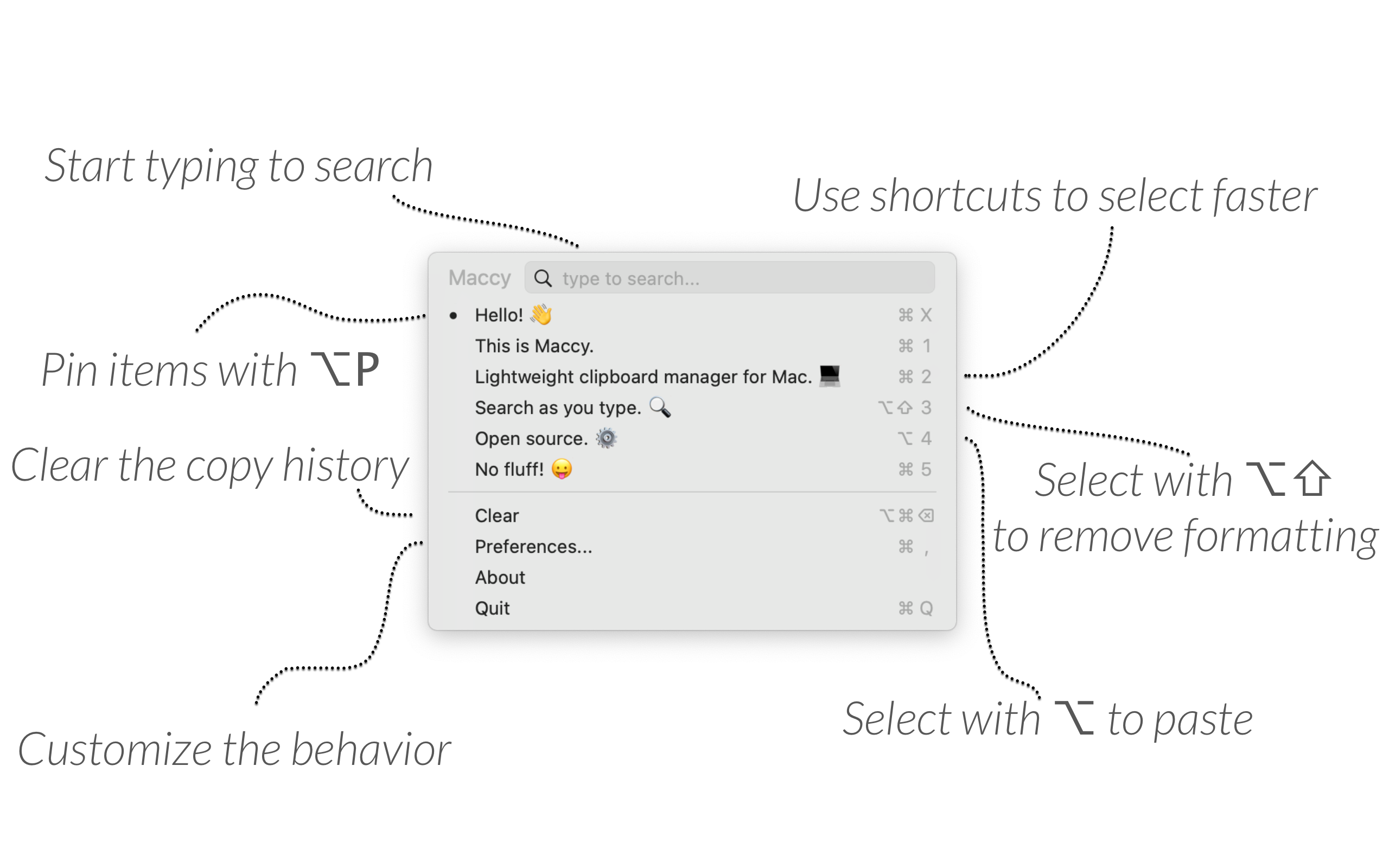
Clipboard manager for macOS which does one job - keep your copy history at hand. Period.
Lightweight. Open source. No fluff.
The Putsch was rooted in the deep resentment following Germany’s defeat in World War I and the perceived betrayal of the Treaty of Versailles .
: Under the Treaty of Versailles, Germany was forced to reduce its army to 100,000 men. When the government ordered the disbandment of the Marinebrigade Ehrhardt , a powerful Freikorps (paramilitary) unit, its leaders rebelled.
: Public transport, electricity, water, and postal services in Berlin and other major cities ground to a halt.
: The aftermath showed a clear bias in the legal system. While left-wing rebels were often executed or given long sentences, Kapp Putsch participants received remarkably light punishments. Wolfgang Kapp died before he could be tried, and most others were granted amnesty.
: The Weimar government, including President Friedrich Ebert and Chancellor Gustav Bauer, fled the city to Dresden and then Stuttgart.
The Putsch was rooted in the deep resentment following Germany’s defeat in World War I and the perceived betrayal of the Treaty of Versailles .
: Under the Treaty of Versailles, Germany was forced to reduce its army to 100,000 men. When the government ordered the disbandment of the Marinebrigade Ehrhardt , a powerful Freikorps (paramilitary) unit, its leaders rebelled. WEIMAR GERMANY: Kapp Putsch 1920
: Public transport, electricity, water, and postal services in Berlin and other major cities ground to a halt. The Putsch was rooted in the deep resentment
: The aftermath showed a clear bias in the legal system. While left-wing rebels were often executed or given long sentences, Kapp Putsch participants received remarkably light punishments. Wolfgang Kapp died before he could be tried, and most others were granted amnesty. : Public transport, electricity, water, and postal services
: The Weimar government, including President Friedrich Ebert and Chancellor Gustav Bauer, fled the city to Dresden and then Stuttgart.