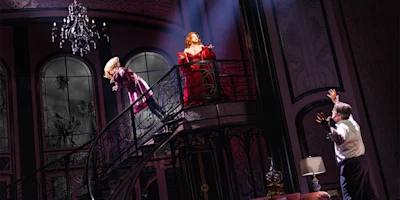
The Pupils

Smaller pupils increase the "pinhole effect," which enhances visual sharpness and depth of field, especially when focusing on near objects .

If "pupils" refers to students, helpful features for their success include a , strong teacher-student relationships, and structured classroom engagement strategies like balanced "cold calling" and "wait time" . Pupil of the Eye: Definition, Anatomy & Function

Found in predators (like cats), these help with distance judgment and accuracy during a strike .

Different pupil shapes are "helpful features" for survival in the animal kingdom:

Beyond light, pupils react to cognitive effort , emotional arousal, and interest, serving as a "window to the brain" for researchers and a subtle social signal for others .

In bright conditions, pupils constrict (shrink) to prevent glare and potential damage to the retina; in low light, they dilate (expand) to capture as much light as possible for improved night vision .

The most helpful feature of the is their ability to regulate the amount of light entering the eye to ensure clear vision and protect the internal structures from damage . This dynamic adjustment, known as the pupillary reflex , allows for optimal visual acuity across varying environments, from bright sunlight to near-total darkness . Key Functions and Adaptive Features


Related articles

The Pupils Apr 2026

Smaller pupils increase the "pinhole effect," which enhances visual sharpness and depth of field, especially when focusing on near objects .

If "pupils" refers to students, helpful features for their success include a , strong teacher-student relationships, and structured classroom engagement strategies like balanced "cold calling" and "wait time" . Pupil of the Eye: Definition, Anatomy & Function The Pupils

Found in predators (like cats), these help with distance judgment and accuracy during a strike . Smaller pupils increase the "pinhole effect," which enhances

Different pupil shapes are "helpful features" for survival in the animal kingdom: Different pupil shapes are "helpful features" for survival

Beyond light, pupils react to cognitive effort , emotional arousal, and interest, serving as a "window to the brain" for researchers and a subtle social signal for others .

In bright conditions, pupils constrict (shrink) to prevent glare and potential damage to the retina; in low light, they dilate (expand) to capture as much light as possible for improved night vision .

The most helpful feature of the is their ability to regulate the amount of light entering the eye to ensure clear vision and protect the internal structures from damage . This dynamic adjustment, known as the pupillary reflex , allows for optimal visual acuity across varying environments, from bright sunlight to near-total darkness . Key Functions and Adaptive Features

Subscribe to our newsletter to unlock exclusive New York theatre updates!

  • Get early access to Broadway's newest shows
  • Access to exclusive deals and promotions
  • Stay in the know about top shows and news on Broadway
  • Get updates on shows that are important to you

You can unsubscribe at any time. Privacy Policy