Taint.mov
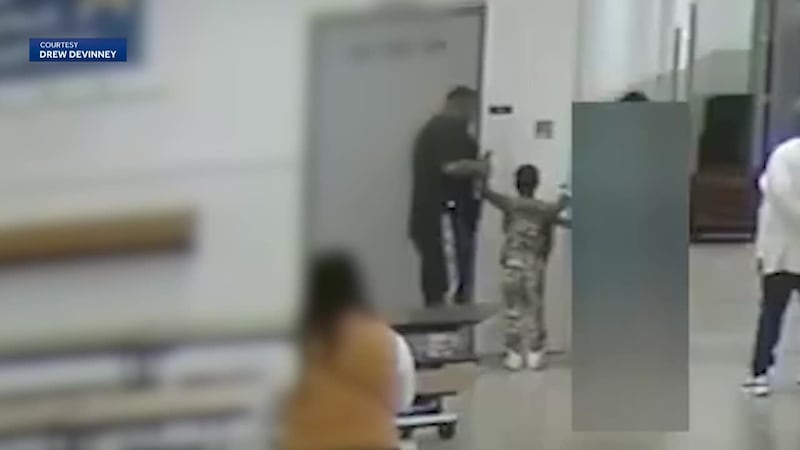
The high-contrast, low-resolution imagery creates a barrier between the viewer and the subject, forcing a sense of voyeuristic unease.
Drawing from Julia Kristeva’s theory of the abject , "Taint.mov" explores that which "disturbs identity, system, and order." The "tainted" subject in the film represents a breakdown of the boundary between the internal and the external. The film suggests that in the digital realm, our "data bodies" are just as susceptible to rot and infection as our physical ones.
This paper explores the visual and thematic elements of the short digital work "Taint.mov." By examining its use of lo-fi aesthetics, body horror, and "glitch" motifs, this analysis argues that "Taint.mov" serves as a contemporary meditation on the fragility of the digital self and the intersection of the organic with the synthetic. Taint.mov
Abstract
The use of white noise and distorted industrial hums mirrors the visual degradation. This paper explores the visual and thematic elements
The primary tool of "Taint.mov" is its deliberate use of digital artifacts. In digital media theory, a glitch is often seen as a failure of the system; however, in this work, the glitch is the primary storyteller.
The film frequently juxtaposes mechanical failure with biological vulnerability. The "taint" represents a virus that bridges the gap between hardware and human flesh. 3. Soundscape and Psychological Impact In digital media theory, a glitch is often
In the landscape of modern digital avant-garde cinema, "Taint.mov" stands as a visceral example of "found footage" horror reimagined for the internet age. Shunning traditional narrative structures, the film utilizes a sensory-heavy approach to evoke a feeling of "digital claustrophobia." This paper analyzes how the film employs the concept of the "taint"—both as a physical corruption and a file-based error—to reflect anxieties regarding technology.