The video ends with a single frame of Leo’s own front door, filmed from the hallway outside his apartment just seconds ago.
When Leo plays the file, the video is unnervingly high-definition for its era. There is no music—only the hyper-realistic sound of a knife sliding through the fruit. A pair of gloved hands meticulously carves the melon into perfect, glistening spheres.
As Leo watches, he begins to smell it. The scent of cloyingly sweet, overripe melon fills his small apartment. It’s so strong it makes his eyes water. He pauses the video, but the smell remains.
This is a story concept for , a psychological horror piece centered on the terrifying intersection of digital nostalgia and sensory manipulation. The Setup: The Lost File
The figure in the video finally looks up. It’s not a person, but a face made of the same pale green rinds, with seeds for teeth. It whispers Leo’s home address.
The audio shifts. The wet "thwack" of the knife starts to sync with Leo’s own heartbeat. On screen, a small, dark shape moves beneath the surface of the fruit—something alive, trapped inside the melon. The "HoneyDew" isn't just a fruit; it’s a vessel.
Leo, a freelance video archivist, is hired to clear out the digital "junk" from a defunct 2000s-era media company's server. Among thousands of corrupted files, he finds a single, un-played video titled HoneyDew.MOV .
The file deletes itself. Leo’s monitor goes black. In the silence of his room, he hears a wet, sticky footstep coming from the hallway, and a soft voice through the door asks: "Is it sweet enough for you?"
 DNP3 Protocol - Product Description
  DNP3 Outstation Simulator with Citect HMI SCADA
  DNP3 Outstation and Client Simulator - File transfer, Directory Read, Device Attribute
  DNP3 Client Simulator with Third Party test tool File transfer, Directory Read, Device Attribute
  DNP3 Outstation(Server) Simulator with Third Party test tool File transfer, Directory Read,Device Attribute
  DNP3 Outstation Server Simulator test with Kepware OPC
  DNP3 Outstation Server Simulator Conformance testing with Third Party Test Tool
 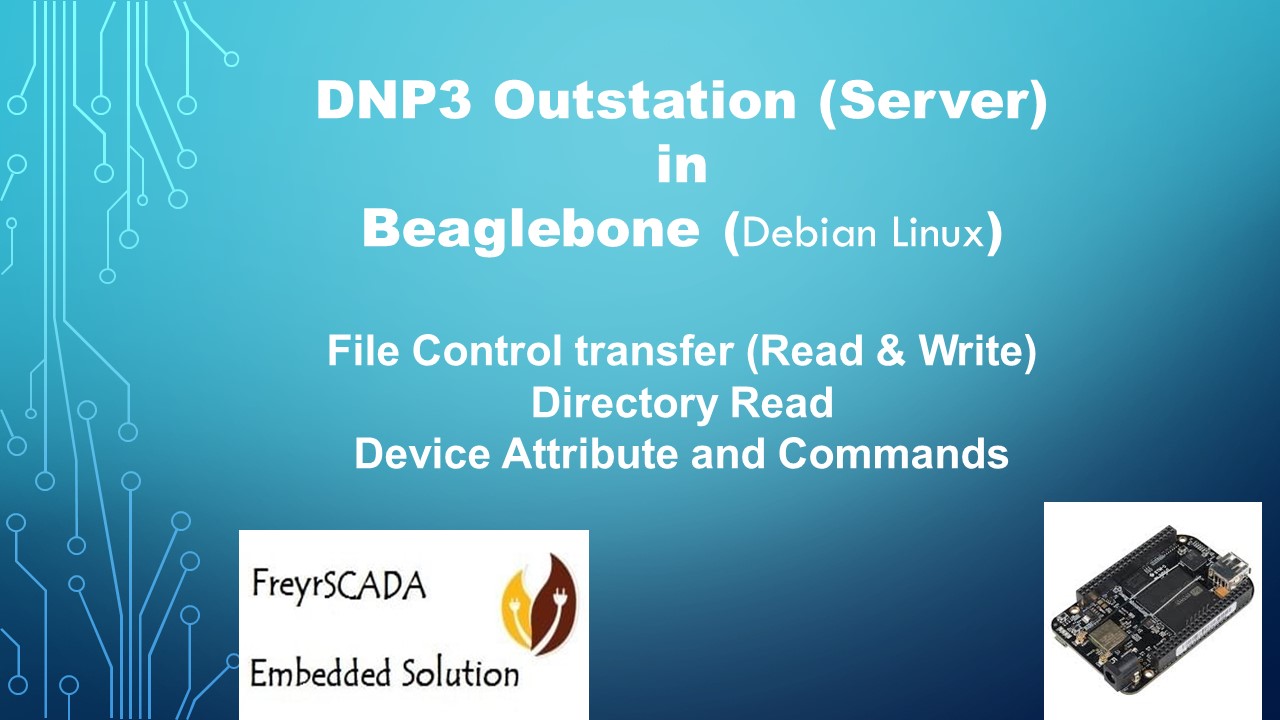 DNP3 Outstation (Server) in Beaglebone Arm Linux
  DNP3 Outstation (Server) Simulator with Ignition SCADA HMI
  DNP3 RTU Outstation Server Simulator with GE Catapult DNP3 Client Driver
  DNP3 Protocol Outstation RTU IED Simulator with VTScada HMI
 DNP3 Protocol Server Outstation RTU IED Simulator with Matrikon OPC Server
 DNP3 protocol Multi-drop architecture rs485 serial communication with Outstation client master Simulator
  ClearSCADA DNP3 Protocol testing with DNP3 Outstation Server IED Simulator
 ClearSCADA DNP3 Protocol - Download upload file transfer device attributes dnp3 server simulator