Live Chicken Eggs - Buy
Live Chicken Eggs - Buy
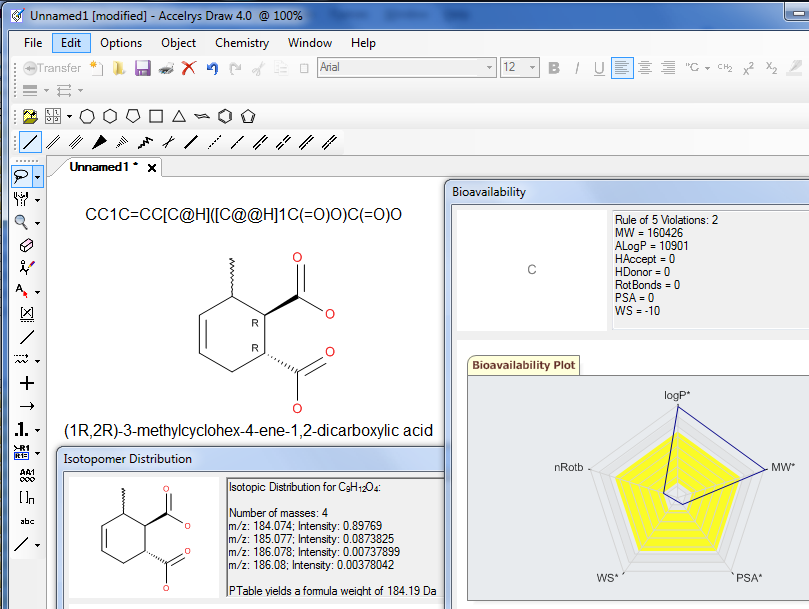 |
With the
same look-and-feel as ISIS/Draw, Accelrys Draw delivers speed and
efficiency to your chemical drawing experience.
Accelrys Draw can easily swap out existing ISIS/Draw or ChemDraw applications. |
|
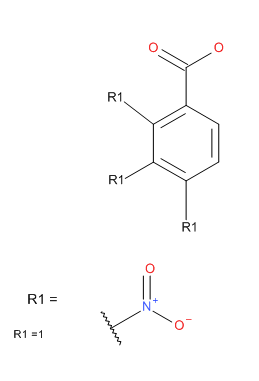
Live Chicken Eggs - BuyClick here for more details about Rgroups, an example, and a detailed procedure how to draw a Markush query. To draw a Markush query:
|
|
|
| Generic Structure
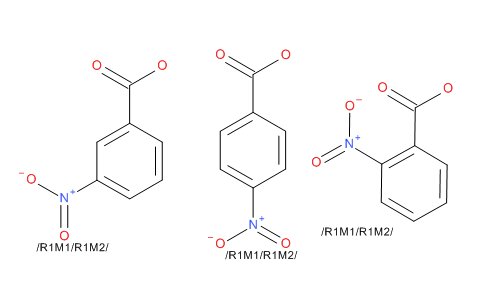
Enumerator The enumerator works against structures defined using the Rgroup tool in Accelrys Draw. In this mode you specify a scaffold with a number of Rgroup labels, then to add fragments to the Rgroup identifiers. The Add-in will calculate the complete set of structures that the Rgroups define. You can also define a generic region using the Sgroup tool. Draw the basic structure and using the Sgroup tool, drag a pair of brackets around a region that is repeated in the substance. From the dropdown select ‘generic’ for the bracket type, then select apply and exit from the dialog. Right click on one of the brackets and select the Attach Data option. In the dialog enter REPEATRANGE into the Field description box, and then enter the range in the Data box; leave the Search Operator set to none; the Tag field is optional. A contiguous range is required in the Data box, for example 3-6. A structure can contain both Rgroup definitions and Sgroup definitions, but they cannot overlap or be nested. You have the option to enumerate on to Accelrys Draw’s canvas, into an SDfile, or into an Isentris for Excel compatible spreadsheet. |
 |
|
Live Chicken Eggs - Buy: Major hatcheries often list fertilized eggs on their websites, providing a reliable source with established shipping protocols. : Always verify if a seller is part of the National Poultry Improvement Plan (NPIP) . This certification ensures the parent flock is tested for diseases like Pullorum-Typhoid, which is a requirement for legal interstate shipping. The decision to buy live chicken eggs—specifically fertilized hatching eggs—is often driven by a desire for specific breeds or the unique experience of raising a flock from the very beginning. While buying adult hens or day-old chicks is more common, hatching eggs offers a rewarding, albeit technically demanding, alternative for backyard poultry enthusiasts. Where to Buy Hatching Eggs buy live chicken eggs : Unlike buying live birds, purchasing eggs requires an incubator . Chicken eggs typically take 21 days to hatch under strictly controlled temperature and humidity. : The best time to start is early spring (late March), allowing chicks to mature during warmer months. Cost Comparison Estimated Cost Hatching Egg $3 - $10+ per egg Rare breeds can exceed $10 per egg. Day-Old Chick Prices vary by breed and gender accuracy. Laying Hen Immediate egg production but higher upfront cost. : Major hatcheries often list fertilized eggs on : Platforms like eBay or farm-specific websites are popular, but it is critical to use sites with buyer protection like Shopify or Wix. Critical Buying Considerations : Shipping fertilized eggs via the USPS is common but carries risks; delays and extreme weather can drastically lower hatch rates. Chicken eggs typically take 21 days to hatch : Buyers should anticipate that not all eggs will hatch. A 50% hatch rate is often considered standard for shipped eggs, though experienced breeders with excellent packaging can achieve higher results. Preparation and Equipment |
http://accelrys.com/products/informatics/cheminformatics/draw/add-ins.html | |
Chemical Drawing Programs – The Comparison of Accelrys (Accelrys) Draw, ChemDraw, DrawIt, ACD/ChemSketch and Chemistry 4-D DrawUniversity of Debrecen, POB 70, H-4010 Debrecen, Hungary, e-mail: Last major update : 1.11.2011 If you have any comment, do not hesitate to contact the author at the above adress. |
http://dragon.klte.hu/~gundat/rajzprogramok/dprog.html |