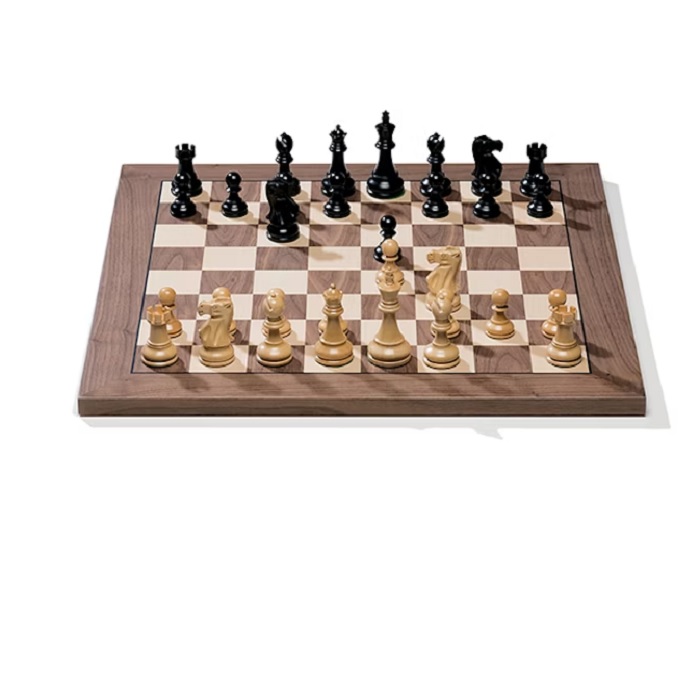
SYSTEM REQUIREMENTS:
Minimum: PC Intel i3 or i5 or Ryzen 3, 4 GB RAM, Windows 8.1 (32- or 64-Bit), DirectX11, graphic card with 512 MB RAM, DVD-ROM drive (not required in download version), Windows Media Player and Internet access. Recommended: PC Intel i7, i9 or Ryzen 7/9, 8 GB RAM, Windows 11 or 10 with 64-Bit, Windows Media Player, graphic card with 1 GB RAM, RTX graphic card for real time Raytrace board, DVD-ROM drive and Internet access. For ChessBase ACCOUNT: Internet access and up-to-date browser, e.g. Chrome, Safari. Runs on Windows, OS X, iOS, Android and Linux!
That night, as the drums began to beat for the festival, Zanele realized that her journey wasn't just about a certificate or a reed. It was about navigating the complex intersection of cultural heritage and personal identity . She decided that while she would carry her reed with pride to honor her ancestors, she would also study hard for her exams, ensuring that her future was built on more than just a tradition.
When it was Zanele’s turn, she remembered the stories of Abiba, a girl from a neighboring village who was wrongfully accused and shamed despite her innocence. The fear of a "false" result or a simple misunderstanding was a ghost that haunted every girl in the procession.
One afternoon, the village elders gathered the girls for the traditional virginity testing . Zanele felt a knot in her stomach, not because she had a secret, but because of the invasive nature of the practice itself—a ceremony many viewed as a violation of dignity . She watched her peers walk into the circle; some stood tall with pride, while others looked at the ground, feeling the weight of community judgment.
The air in the village of Nongoma was thick with the scent of dust and anticipation. For seventeen-year-old Zanele, the upcoming Umkhosi WoMhlanga (Reed Dance) was more than just a tradition; it was the ultimate test of her family's honor.
However, the pressure was a heavy blanket. Zanele’s best friend, Adama, often whispered about the "modern world" she saw on her phone—a world where girls were valued for their thoughts and ambitions rather than their physical state. "It’s like we’re living in two different centuries," Adama would say, adjusting her bright bandana.
Virginity testing - absence of a small tissue becomes big issue
Zanele lived in a world where her worth was often measured by a single, fragile standard. In her Zulu community, maintaining virginity was seen as a way to bring respect to her family and ensure she was "ready" for marriage. Her father often spoke of the rewards and celebrations that awaited a daughter who reached womanhood as a "pure" bride.
That night, as the drums began to beat for the festival, Zanele realized that her journey wasn't just about a certificate or a reed. It was about navigating the complex intersection of cultural heritage and personal identity . She decided that while she would carry her reed with pride to honor her ancestors, she would also study hard for her exams, ensuring that her future was built on more than just a tradition.
When it was Zanele’s turn, she remembered the stories of Abiba, a girl from a neighboring village who was wrongfully accused and shamed despite her innocence. The fear of a "false" result or a simple misunderstanding was a ghost that haunted every girl in the procession. african teens virginity
One afternoon, the village elders gathered the girls for the traditional virginity testing . Zanele felt a knot in her stomach, not because she had a secret, but because of the invasive nature of the practice itself—a ceremony many viewed as a violation of dignity . She watched her peers walk into the circle; some stood tall with pride, while others looked at the ground, feeling the weight of community judgment. That night, as the drums began to beat
The air in the village of Nongoma was thick with the scent of dust and anticipation. For seventeen-year-old Zanele, the upcoming Umkhosi WoMhlanga (Reed Dance) was more than just a tradition; it was the ultimate test of her family's honor. When it was Zanele’s turn, she remembered the
However, the pressure was a heavy blanket. Zanele’s best friend, Adama, often whispered about the "modern world" she saw on her phone—a world where girls were valued for their thoughts and ambitions rather than their physical state. "It’s like we’re living in two different centuries," Adama would say, adjusting her bright bandana.
Virginity testing - absence of a small tissue becomes big issue
Zanele lived in a world where her worth was often measured by a single, fragile standard. In her Zulu community, maintaining virginity was seen as a way to bring respect to her family and ensure she was "ready" for marriage. Her father often spoke of the rewards and celebrations that awaited a daughter who reached womanhood as a "pure" bride.